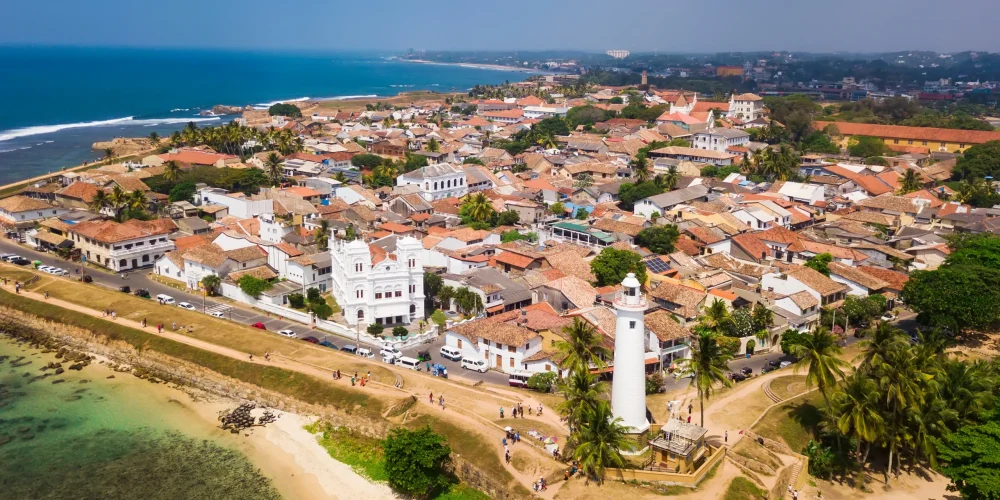
Galle Fort, a UNESCO World Heritage Site nestled on the southwestern coast of Sri Lanka, is a living testament to centuries of colonial history, maritime power, and cultural fusion. Originally built by the Portuguese in the late 16th century and extensively fortified by the Dutch in the 17th century, Galle Fort has transformed over the years into one of the most captivating historical landmarks in South Asia.
Unlike many preserved ruins, Galle Fort is not merely a museum piece—it’s a vibrant neighborhood filled with boutique hotels, art galleries, cafes, and local homes, all surrounded by imposing stone ramparts and the glistening Indian Ocean.
A Brief History of Galle Fort
The origins of Galle Fort date back to 1588, when Portuguese colonizers constructed a simple fortification to defend their trading post. When the Dutch took control in 1640, they expanded and reinforced the structure using granite and coral, creating the robust walled city that remains today. Under British rule in the 19th century, the fort retained its military significance but gradually evolved into a commercial and administrative center.
Today, Galle Fort represents a rare blend of European architectural design seamlessly interwoven with South Asian traditions. Walking through its narrow cobblestone lanes is like stepping back in time.
Architectural Marvels Within Galle Fort
The appeal of Galle Fort lies not only in its historical significance but in the preserved colonial architecture and urban design. Visitors are often struck by the contrast between the thick defensive walls and the elegant buildings within.
Some of the standout attractions include:
- The Galle Lighthouse: A gleaming white tower at the southeastern edge of the fort, providing panoramic views of the sea and town.
- Dutch Reformed Church: Built in 1755, this Protestant church showcases classic Dutch architecture, tombstones dating back centuries, and a serene interior.
- All Saints Anglican Church: Constructed by the British in the 19th century, this Gothic-style church adds to the Fort’s multicultural charm.
- The National Maritime Museum: Housed in a former Dutch warehouse, it showcases the region’s seafaring history and ancient artifacts.
The street layout itself—with grid-like alleyways, old spice warehouses, and pillared verandas—reflects both European planning and local adaptations to climate and lifestyle.
Cultural Encounters and Modern Life in Galle Fort
Today, Galle Fort is as much a cultural hub as a historical site. While preserving its colonial charm, the area has embraced modern tourism and artistic expression.
You’ll find beautifully restored colonial mansions converted into boutique hotels and cafes offering artisan coffee, Sri Lankan fusion dishes, and tropical smoothies. Art galleries and jewelry stores showcase local talent and handcrafted goods.
The local community includes Sinhalese, Tamils, Muslims, and expatriates, giving the Fort a multicultural character. Many families have lived within the fort for generations, and their stories contribute to the authenticity and soul of the area.
Sunset Walks Along the Ramparts
One of the most memorable experiences in Galle Fort is an evening walk along its high stone ramparts. As the sun sets over the Indian Ocean, golden light washes over the red-tiled roofs and palm-lined streets. Locals and tourists gather to enjoy the view, often spotting sea turtles, stilt fishermen, or occasional dolphins in the distance.
The breezy oceanfront paths are not only scenic but also provide insights into the Fort’s defensive design. From bastions like Sun, Moon, and Star, you can see how the walls were strategically built to monitor maritime activity and repel invaders.
Culinary Experiences in Galle Fort
Food lovers will find much to savor here. Whether you’re craving a traditional rice and curry, fresh seafood, or global cuisines, Galle Fort offers a wide variety of dining options.
Many restaurants use locally sourced ingredients and emphasize sustainability. For an authentic experience, try a Sri Lankan thali served on a banana leaf or sip a spiced chai at one of the hidden garden cafés.
Shopping and Artisan Goods
The Fort is also known for its small boutiques and artisanal products. From handloom textiles and Ayurvedic products to gemstones and antiques, the shops here reflect the region’s creativity and trading legacy.
Shopping in Galle Fort is not about mass-produced souvenirs—it’s about discovering unique, high-quality items that carry a piece of Sri Lanka’s heritage.
Planning Your Visit
Galle Fort is accessible via the Southern Expressway from Colombo, making it an ideal stop on a tour around Sri Lanka’s southern coast. The nearby Galle town also offers access to beaches, surfing spots, and whale-watching tours.
Entry to the Fort is free, and you can explore it at your own pace. To truly appreciate its layers of history and culture, consider hiring a local guide or joining a walking tour.